Naraka: Bladepoint
Naraka: Bladepoint: New-player onboarding and first-week priorities
Naraka: Bladepoint players on Windows PC often juggle mechanical practice, squad comms, and live-service patches in the same week. This guide explains how to structure improvement around new-player onboarding and first-week priorities without treating community hubs as a substitute for official rules or anti-cheat policy.
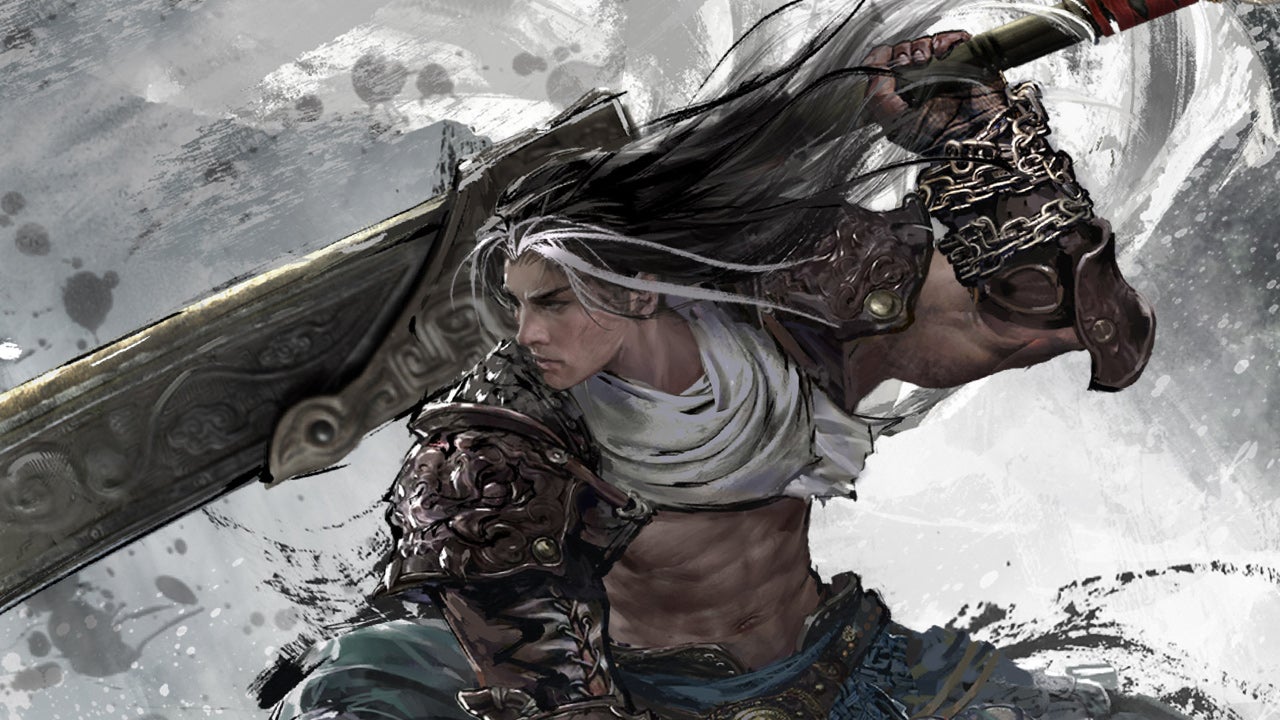
Naraka: Bladepoint fundamentals on Windows PC
Naraka: Bladepoint is a melee battle royale built around readable moment-to-moment decisions. On Windows PC, input precision, stable frame times, and predictable network behavior matter as much as raw aim or build knowledge.
This article is scoped for readers comparing community reference hubs tied to narakahacks.com. The focus stays on legitimate gameplay literacy: how sessions start, how pressure escalates, and where Naraka: Bladepoint rewards preparation instead of improvisation.
Session planning with a new-player onboarding and first-week priorities lens
Strong Naraka: Bladepoint sessions begin before you queue. Loadout checks, role assignments, and a clear win condition keep teams aligned when the match turns chaotic.
For new-player onboarding and first-week priorities, write down three repeatable habits: one mechanical drill, one map or zone review, and one post-game note about positioning. Repeating that loop for a week usually beats random queue streaks.
Because narakahacks.com sits in a crowded PC niche, treat external write-ups as checklists—not shortcuts. Verify every tip against the current season rules and anti-cheat policy for Naraka: Bladepoint.
Information discipline in multiplayer
Naraka: Bladepoint fights are often decided by timing: when to push, when to reset, and when to spend resources. Overlay clutter, third-party comms noise, and tabbed guides can all slow reaction time.
Keep on-screen information minimal. Mark only objectives you act on within the next thirty seconds—extractions, power spikes, boss windows, or rotation timers depending on mode.
Fair-play environments depend on consistent reports and patch notes. If a mechanic feels overtuned, log the map, mode, and patch version before you change settings or hardware profiles.
Staying current after updates
Live-service titles like Naraka: Bladepoint shift weekly: weapon tuning, encounter tables, anti-cheat signatures, and seasonal quests. Bookmark official patch channels first, then layer community summaries.
When a major update lands, re-test sensitivity, keybinds, and audio mix in a private lobby or low-stakes mode. Small FOV or volume changes often fix “off” feeling aim more than hardware swaps.
Document one personal baseline metric—rank, K/D, clear time, or extraction rate—and compare it across patches so you know whether a slump is meta-related or routine drift.
If you want broader reference material beyond this page, additional guides may help with supplementary context.